Showing posts with label pail and pie. Show all posts

Sunday, February 23, 2014

The Extra Lesson

Improving Reading with Physical Exercise
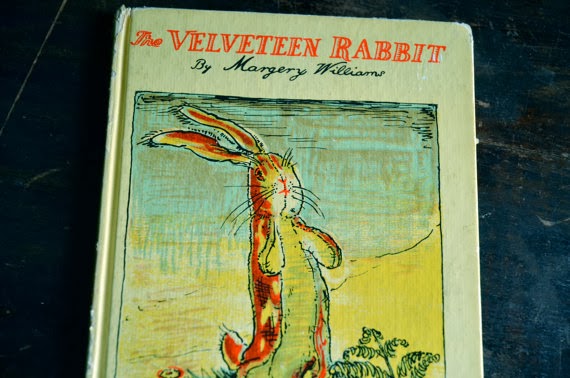
When my first born was four years old he knew the entire alphabet, each letter’s sound, and how to write most of them in capital letters. I beamed and I even told the neighbor “He can read,” much to her disbelief. You see, I figured he was on the cusp if he knew three letters and their sounds. He could easily sit down and put those into a word, right? Four years later we are still learning to read and I’ve learned to be more humble.
I just assumed reading was easy. When I was a girl I loved to read. But, I never knew how I learned to read and I never appreciated language for it’s parts, more for it’s ability to come together to tell a story.  When I was pregnant I read to my son, when he was born, I read to him more. As a toddler he’d bring me tons of books and we’d point out pictures and learn general vocabulary. When he was just three he sat by while I read all of Stuart Little. Naturally, I thought reading would be easy for him, something that would magically happen. 
I’ve since learned reading is a process that involves games, rhymes, rules and repetition. As any mother would, I am always on the lookout for clear, easy and fun ways to teach him reading rules. Imagine my surprise when a fun new way to enhance reading ability arrived in the form of bean bags, crawling on the floor, and jump roping. 
The Extra Lesson: 
As a parent who prefers natural and holistic methods The Extra Lesson really appeals to me. An approach that helps children with learning disabilities, it is also beneficial to those without. For children with ADD, ADHD, Dyspraxic, Dyslexic, Auditory Processing Difficulty, or as Gifted and underachieving, this method works drug-free. For a mother trying to help her son put joy into reading, it works as well. 
As usual, this Waldorf centric approach focuses on meeting each child at his need level. Extra Lesson classes are available at many Waldorf schools from counselors following Audrey McAllen’s Steiner inspired curriculum. The most wonderful part is the exercises are really fun! 
With help from books and websites we came up with exercises we can integrate right here at home. Weekly we are tossing bean bags and doing crawling races around the house. My boys have learned to do Chinese Jump rope and are inventing their own challenges.
Both boys are improving their gross motor spacial awareness which translates to spacial awareness on paper. It’s easy to incorporate the exercises, they enjoy them, and it’s a great addition to our weekly reading practice.
Interested in finding out more about The Extra Lesson? 
Check out these websites: 
Check out these books: 
Take Time by Mary Nash-Wortham and Jean Hunt
The Extra Lesson, Movement, Drawing and Painting Exercises to Help Children with Difficulties in Writing, Reading, and Arithmetic by Audrey E. McAllen.

https://www.etsy.com/listing/124204565/play-silk-waldorf-playsilk-autumn-hike?ref=shop_home_active_4
Waldorf Play Silk by Pail and Pie
Special thanks to Brenda from Pail and Pie for this article!

Monday, October 7, 2013

Form Drawing

 Form Drawing 
by Brenda Massei of Pail and Pie  
My eight year old son gets to choose his daily school work from a weekly checklist. Once per week his list includes form drawing and without fail, enthusiastically, he chooses it every Monday. So, what is so wonderful about form drawing for him? "Probably, I like it because of all the crazy forms I get to draw," he answers me. It may go deeper than that. 
In 1919 Rudolph Steiner introduced form drawing which is taught to children ages 6-10 . This simple idea, of having children essentially copy freehand drawings, is more than just a crayon to paper. Before children are shown a form to recreate on their page, they are immersed in the feeling of the form. Children are introduced to each new form through stories, movements through the air, or walking the form as a few examples. The feelings from this engagement with a form can vary based on the form taught.
 For instance, if a teacher has a restless group that needs energy, a sharp, stiff form can create some liveliness. In contrast, slow, rounded forms can do just the opposite, create harmony and peace for children who need some calm. Having children focus on a form and replicate it with intention create zen like moments that can linger.
Last year my son would not stop at the end of the page. Indeed he drew form drawing borders around his pages and went on to create new forms based on his moods. This year he chooses form drawing every monday and enjoys each new expression. An acquaintance's daughter grew up to create and sell beautiful celtic knot motifs on cards as an extension from early form drawing instruction. Form drawing is enjoyable.
 
 CELTIC DRAWN CARD:
Form drawing gives pleasure while creating repeated patterns with lines instead of waiting to admire only an end product. It is an experience one can feel. The creating can indeed trump the joy of the ended design.
Symmetry? Counting? Geometry? Art? Form drawing can dive into any of these aspects as indeed the line is the most primeval form of creation and art. Teaching children to enjoy the movement of line over paper proves beneficial.
Read more about how form drawing affects your mood in the article Form Drawing by Rosemary Gebert. (Link: http://www.waldorflibrary.org/images/stories/articles/formdrawing.pdf)

See the connection of form drawing to art in the book: 
Painting and Drawing in Waldorf Schools Classes 1 to 8 by Thomas Wildgruber. 
 See more of Brenda's great articles on her blog:
Pail and Pie
 Visit Brenda's Waldorf on Etsy team shop for gift ideas: